
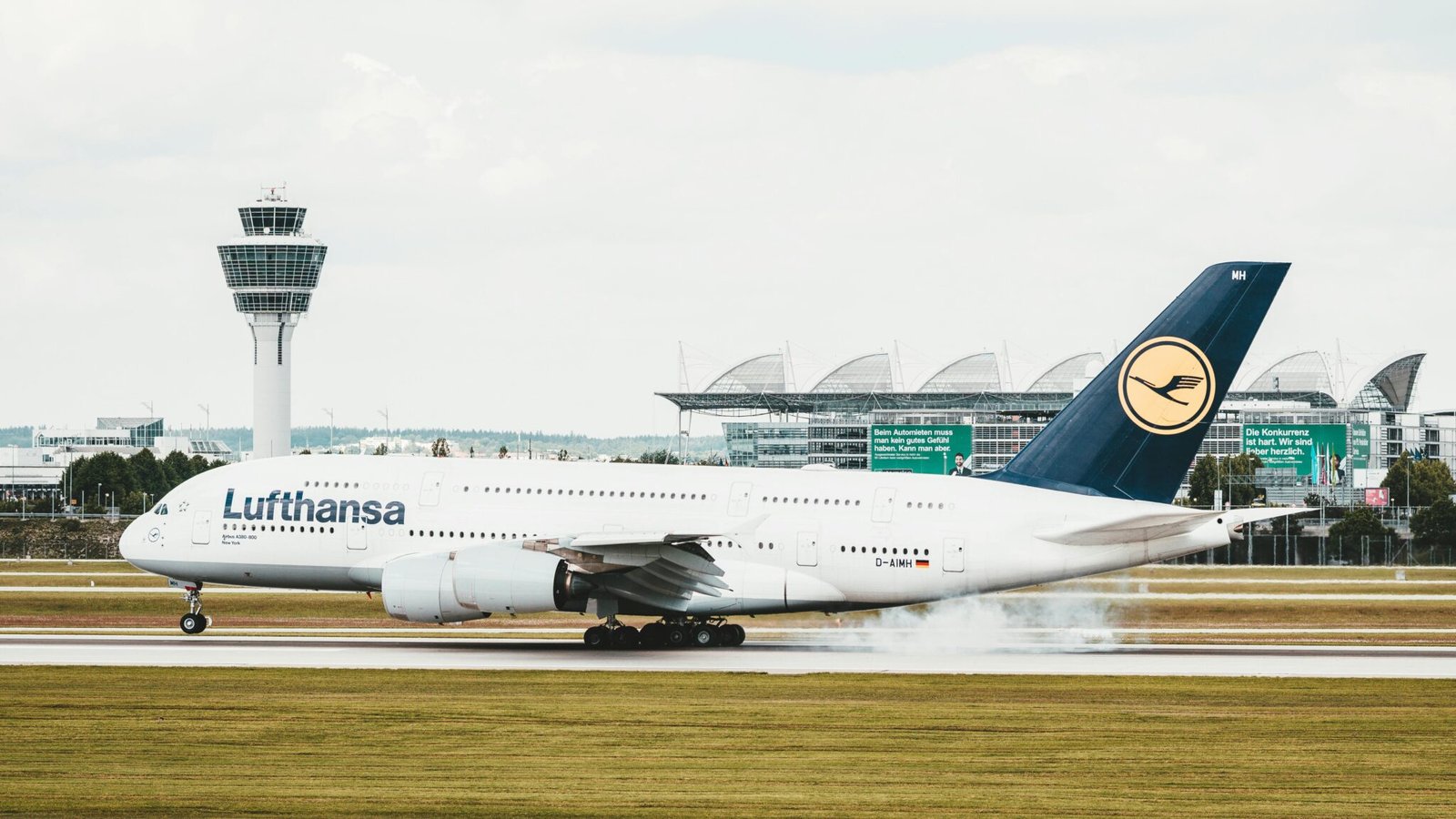




Morning glow over Bavaria barely touched the quiet terminals as Munich Airport prepared for a day that would hinge on an unusual threat: drones. Travelers moved with a sober pace while staff scrambled to rebook flights and guide passengers through a disruption that felt more crisis-management than routine. Overnight, authorities closed runways and terminals after drone sightings near the airfield, triggering the first disruption of the day.
Recent Trends
- Rising drone-related airport disruptions prompt tighter ground controls
- Europe seeks clearer airspace management rules for drones
- Regulators consider stricter penalties for rogue drone activity
The airport reopened Saturday morning after the shutdown; two additional drone sightings were reported, marking the second closure in less than 24 hours and affecting dozens of flights and connections across Europe. According to PBS.org, the overnight shutdowns disrupted dozens of flights and left travelers scrambling for alternatives.
What happened
Two drone sightings near Munich Airport forced authorities to halt air operations, creating a pause for arrivals and departures at Germany’s busiest hub. Ground crews activated security protocols and coordinated with air traffic controllers to reroute traffic to nearby airports while investigators assessed the risks. The event underscores how airport drone disruptions can unfold in a few minutes and ripple across the regional network.
Officials noted the incidents involved small unmanned aircraft and stressed that even distant or sporadic sightings can prompt immediate safety actions. Munich’s operation, a core node for carriers such as Lufthansa, illustrates the fragility of busy corridors when drones intrude into controlled airspace. This is a stark reminder for the aviation industry that airport drone disruptions can escalate quickly and require rapid decision-making.
Impact on travelers
Passengers faced long lines, delays, and missed connections as the schedule struggled to catch up. Airlines offered rebooking options and crews worked overnight to reassemble timetables, while hotels in the region filled with travelers seeking shelter from the uncertainty. In some cases, travelers chose to reroute through other European hubs to reach their destinations, illustrating how airport drone disruptions can shift travel plans across multiple countries.
Policy and outlook
The Munich episode adds to a growing chorus calling for stronger drone governance near airports. Regulators are weighing tighter detection networks, clearer flight rules, and penalties to deter irresponsible drone activity. For airports, the episode signals a broader push to integrate drone-detection technology with existing air traffic control, incident response playbooks, and passenger communications. As the sector evolves, aviation executives argue that airport drone disruptions will become less common only if policy, technology, and enforcement move in lockstep.
Conclusion
In a world where drones can appear near the busiest runways in minutes, Munich’s reopening is a reminder that resilience is becoming a core airport capability. For travelers, the lesson is simple: monitor updates, stay flexible, and trust carriers to manage disruptions when drones cross into critical airspace. For regulators and operators, the message is equally clear: invest in detection, align with ATC, and plan for rapid incident response to keep air travel flowing even in the face of airport drone disruptions.

















