




Sunlight slapped the surface as a metallic shape drifted into frame near a trusted ally’s coastline, hinting at a new chapter in maritime ISR.
Recent Trends
- Rising use of undersea sensors and drones for coast monitoring
- Increased patrols and drills by allies near contested waters
- Policy debates on access controls and countermeasures for underwater systems
Underwater Drone Spotted in Ally Waters
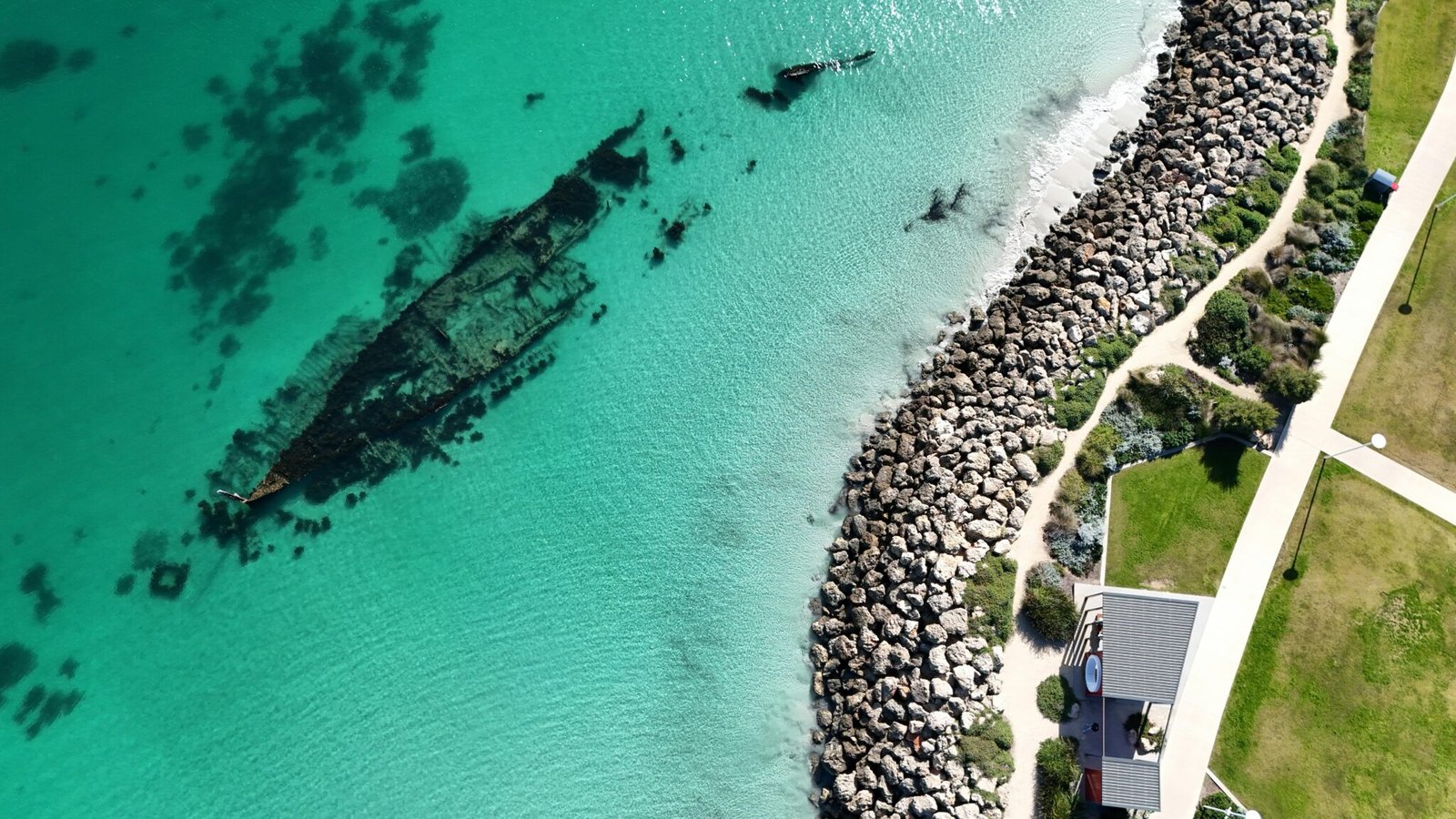
The image, circulated by Biztoc with sourcing from Newsweek, shows what appears to be an underwater drone gliding through coastal waters. The compact body, a sensor dome, and minimal appendages are typical of compact class UUVs used for survey work and ISR missions. While the exact origin remains unconfirmed in the immediate release, the timing and geography suggest a deliberate cross-border maritime notional test aimed at expanding state-backed reconnaissance capabilities.
Observers emphasize that this is less about a single device and more about a broader shift in how nations monitor critical sea lanes. Underwater drones, once a niche tool for research crews, are now a staple of strategic posture near key allies. The incident underscores how quickly surface-mship conversations about airspace and sea space expand into the undersea domain, where detection and attribution remain challenging for all sides.
According to Newsweek, via Biztoc, the Philippines described the discovery as part of a pattern of illegal scientific research in its waters since 2023. That framing, if accurate, adds a geopolitical dimension to the sighting and touches on sovereignty claims that are hotly contested in the region. For defense planners, the underwater drone underscores that the line between civilian exploration and state-sponsored ISR is blurring beneath the waves.
What this signals for maritime security and policy
From a security standpoint, the appearance of an underwater drone near allied waters raises several practical questions. First, how will navies and coast guards adapt detection capabilities for sub-surface intrusions? Modern UUVs can be equipped with sonar, cameras, or even sampling gear. These payloads turn a quiet diver into a data-collection asset that can map seabeds, monitor traffic, or collect signals. The trend mirrors a broader push in the drone industry to shrink hardware while expanding sensor options, a shift that makes underwater surveillance more accessible but also more contentious.
Second, there is the regulatory angle. Jurisdictions differ on who may operate underwater assets near foreign waters and what constitutes permissible reconnaissance versus espionage. Regulatory bodies, from national aviation administrations to maritime authorities, are weighing updates to rules governing underwater platforms, data collection, and cross-border operations. This item intersects with the global debate over export controls on dual-use drone tech and the governance of autonomous systems.
Industry players are watching closely. Companies in the drone tech ecosystem—ranging from sensors and propulsion developers to software platforms for autonomy—see a growing demand for robust anti-tamper and anti-collision features, as well as better fusion of surface and subsurface sensing. The shift also poses an opportunity for service providers offering underwater ISR as a service to governments and industry, which could reshape how coastal monitoring is done in practice.
It is too soon to label the sighting as a turning point, but it does sharpen the lens on how contestation over sea lanes will play out in the coming years. The incident aligns with a series of similar episodes observed by analysts and policymakers examining the intersection of geopolitics and drone technology. A clear takeaway for industry: invest in transparent, verifiable data and collaborate with regulators to establish norms for responsible use and rapid attribution in the event of misbehavior.
Sub-title
Substantive analysis can help practitioners understand risk and opportunity. As awareness grows, both defense and commercial players will push for better detection, attribution, and controlled testing in safe, agreed-upon environments.
Another sub-title
In the longer term, many expect a push toward standardized certifications for underwater platforms and shared international frameworks to govern cross-border operations, much like aviation safety and airspace rules for aircraft align across borders.
Conclusion
In the near term, this sighting is a flashpoint that blends technology with geopolitics. It highlights how the undersea domain is becoming part of the broader securitization of sea routes. For operators, regulators, and policymakers, the message is straightforward: transparency, verification, and preparedness will shape how underwater drone activity is managed—and how quickly nations respond when lines are crossed. The growing footprint of underwater drone activity near critical sea lanes will likely push regulators to clarify norms and accelerate cooperative testing and attribution mechanisms.

















