




Drone Industry Business: Redefining Global Operations
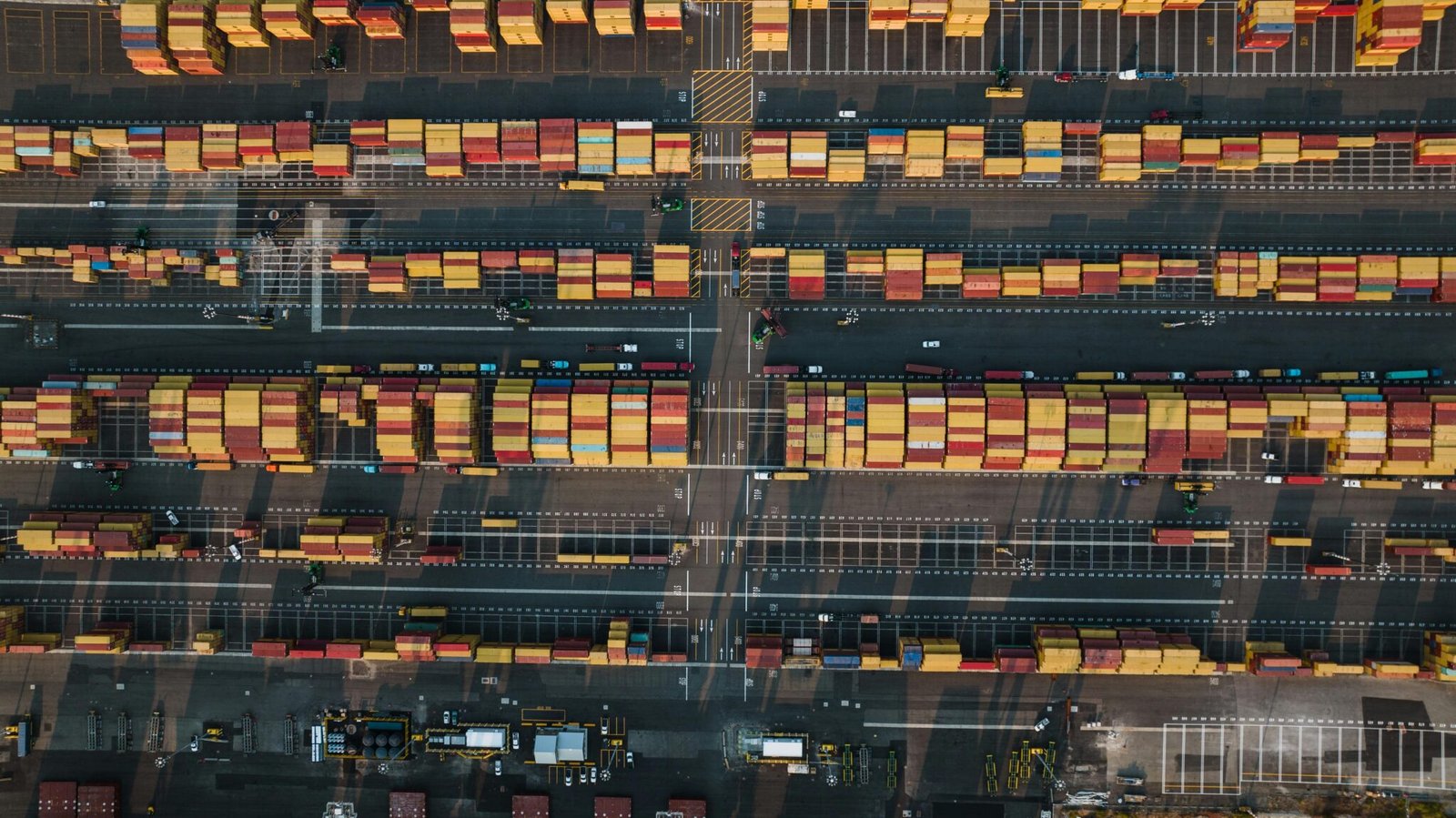
At a bustling distribution center, a squad of drones hums above loading bays, autonomously counting inventory and delivering small parts to assembly lines. The scene highlights a broader shift: the drone industry business is moving from pilot programs to integrated capabilities that slash turnaround times, cut labor costs, and improve data accuracy across complex supply chains. For executives, the signal is clear: drones are transitioning from a novelty to a core enabler of operational excellence across industries.
Recent Trends
- BVLOS flight approvals expanding, enabling longer-range logistics
- Drone-as-a-service and on-demand flight providers gaining traction
- AI-powered data analytics driving faster inspections and decision making
The rapid maturation of the drone industry business model hinges on three interlocking components: technology, policy, and service delivery. On the technology front, drone systems are becoming more capable, reliable, and easier to deploy at scale. Modern fleets blend autonomous flight with rugged sensors for real-time mapping, object recognition, and precision payload handling. When a company talks about logistics efficiency, it is often describing a blend of ground and air operations that collectively shrink cycle times and raise throughput. The drone industry business is no longer about one-off aerial shots; it is about repetitive, scalable actions that keep goods moving and assets monitored.
From an information perspective, the data produced by drones is transforming decision making. Fleet operators now collect high-fidelity visibility into inventories, asset conditions, and site hazards. The data is not merely decorative pictures; it is a workflow fuel that feeds automated inventory reconciliation, predictive maintenance alerts, and automated compliance logging. For readers new to the space, think of drones as flying data collection platforms that plug into existing enterprise analytics stacks, much like sensors on a production line. This is where aerial inspections become a business capability with tangible ROI, especially in sectors such as energy, utilities, and infrastructure where manual inspections are risky or time-consuming.
Policy and regulation shape the pace of adoption. In regions that allow BVLOS (beyond visual line of sight) operations with clear safety cases, fleets can be scaled more aggressively. Companies are watching the regulatory landscape closely because it determines flight corridors, pilot requirements, and data privacy rules. The result is a market where compliance and technology go hand in hand; successful operators harmonize flight operations with privacy and security protocols, turning a potential risk into a competitive differentiator. The drone industry business is increasingly defined by operators who can navigate this regulatory terrain while delivering reliable service levels to customers who expect uptime and accuracy.
The business models themselves are evolving. Early pilots tended to focus on hardware and one-off projects; today, the market favors fleet optimization, software-enabled workflows, and service-based pricing. In practice, this means drones are often deployed through a combination of owned fleets and commercial drones operated by third-party providers who offer outcomes rather than assets. This shift lowers the barrier to entry for companies that want to test a use case and scale later, creating a more fluid and resilient supply chain landscape. For procurement teams, the most compelling advantage is predictable total cost of ownership and faster time-to-value compared with traditional methods.
Operational Excellence
Businesses adopting the drone industry business model aim to turn flight time into productive time. In a warehouse or manufacturing campus, drones can continuously monitor inventory, verify shipments, and flag discrepancies in near real time. This capability reduces stockouts and overstocks, which are costly in global logistics networks. For managers, the message is simple: when you systemize drone-enabled workflows, you convert sporadic pilots into a reliable, data-driven backbone for operations. Companies that pair drones with edge computing and AI software are not just saving hours; they are unlocking throughput gains that ripple across procurement, manufacturing, and distribution.
Policy & Partnerships
Policy dynamics matter deeply in the drone industry business. Strategic partnerships with system integrators, insurance providers, and airspace authorities are common as firms scale. A practical takeaway for executives is to build governance structures that manage risk, safety, and privacy while still enabling rapid experimentation. In many markets, cross-industry collaborations help establish standardized data schemas, interoperable software stacks, and shared safety case libraries, accelerating deployment across sites and geographies. This is the moment where the regulatory landscape and business strategy converge to create a sustainable competitive edge.
For professionals evaluating a move into this space, the core question is not whether drones can deliver, but how to embed them in a disciplined operating model. The drone industry business demands a clear plan for data management, flight operations, and workforce training. At the same time, it rewards those who can articulate a compelling ROI narrative: more reliable schedules, lower manual labor risk, and a safer, more transparent audit trail of operations. Executives should start with a focused pilot in a high-value, low-risk environment, and then scale incrementally as processes mature and the regulatory pathway solidifies.
Conclusion
The drone industry business is reshaping how companies think about logistics, inspections, and asset management. It is no longer about cool footage or one-off surveys; it is a system for delivering measurable outcomes across the enterprise. As fleets grow, data becomes the differentiator, and partnerships with regulators and service providers become the growth engine. For the modern enterprise, adopting drone-enabled solutions is less a risk and more a strategic pivot toward more resilient, efficient, and insight-driven operations. The decade ahead will reveal which organizations effectively integrate flight, data, and process to sustain competitive advantage in a rapidly evolving global landscape.

















