

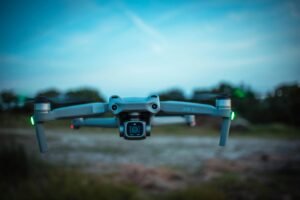



Drone Aviation Risk Emerges as Kamchatka An-26 Collision Finds In-Flight Drone Impact
An Antonov An-26 on a domestic route in Russia’s Kamchatka region sustained damage after what investigators describe as an in-flight collision with an unknown object. The aircraft, registration RA-26122, was operating a scheduled flight from Petropavlovsk-Kamchatsky to Tilichiki when the incident occurred. After landing, airport personnel reported damage to the airframe, with no crew or passenger injuries cited. Initially, the operator suggested a possible bird strike, but a broader review has since shifted the assessment toward a drone-related impact. This event underscores the growing reality that drones can intersect with commercial flight paths even outside major urban centers.
Recent Trends
- Rising drone incidents near airports prompt counter-UAS deployments
- Regulators worldwide tightening drone no-fly zones at critical airports
- Aviation operators invest in detection, tracking, and mitigation tech
According to FlightGlobal, the Kamchatka division of Rosaviatsia has concluded that the damage resulted from an in-flight collision with an unidentified object, most likely a unmanned aerial vehicle. The carrier notes that the airframe had been cruising at approximately 6,000 meters (about 19,700 feet) when the collision probably occurred, suggesting the event unfolded during take-off or approach phases. The investigation also emphasizes that drone flights are prohibited in airport areas, a reminder of the strict geofencing and airspace controls that govern civil aviation. The carrier reports the aircraft has since undergone repairs and returned to service.
For industry observers, the Kamchatka incident adds to a growing catalog of near-miss encounters that challenge air corridor safety in less congested regions yet on critical routes. It also spotlights the ambiguity that can accompany drone-related incidents in which the responsible operator cannot be identified. The question of who piloted the drone remains unresolved, and the lack of a confirmed launch site complicates accountability. This is not merely a local anomaly; it aligns with a global pattern where even remote airfields face drone encounter risks that technology and policy must address.
The broader implication is clear: as drone capabilities expand and flight corridors become busier, airspace safety hinges on proactive detection, robust geofencing, and rapid investigative capability. For defense planners and aviation executives alike, this is a signal to invest in counter-UAS (C-UAS) tools and standardize reporting mechanisms so that anomalies can be traced, attributed, and mitigated more efficiently. The event also invites a closer look at the regulatory frameworks that govern drone operations near airports, including whether current prohibitions and enforcement reach the tools and entities capable of preventing such strikes.
From a practical standpoint, operators should reassess risk registers for regional hops and consider layered defenses—visual observers, radar or optical tracking, and electronic warning systems—that can provide early alerts to crews. The Kamchatka case also serves as a cautionary example for regional carriers: even without the spectacle of a major aviation hub, drone interference can disrupt operations, alter flight profiles, or require unscheduled maintenance windows if a collision causes structural or avionics concerns. For those keeping watch on the market, the incident foreshadows continued demand for affordable, scalable C-UAS solutions and stronger international collaboration on incident data sharing.
Industry voices suggest that the trajectory is toward more standardized procedures for documenting drone-related damage and faster integration of drone surveillance data into air traffic management. The key takeaway for operators is pragmatic: drones are no longer a peripheral risk but a central factor in flight safety equations, especially in regions with dynamic airspace use or expanding drone activity. In the Kamchatka example, the important data points—airframe integrity post-landing, the cruising altitude at impact, and the prohibition of drone flights near airports—are the building blocks for improved risk scoring and policy refinement.
As authorities and airlines continue to map the terrain of this evolving risk, the Kamchatka incident will likely inform both safety protocols and regulatory expectations in other jurisdictions. The case reinforces the imperative for continuous upgrades in detection, identification, and response workflows in aviation safety programs.
Conclusion
Conclusion
The Kamchatka An-26 episode offers a sobering reminder that drones can intersect with commercial aviation in unexpected places. While the aircraft returned to service after repairs, the event spotlights a persistent gap in airspace security: the ability to quickly identify and attribute drone incursions. As regulators pursue stricter no-fly zones and airlines invest in counter-UAS technologies, the industry is moving toward a more proactive, data-driven approach to drone-related risk. For policymakers, the message is unmistakable: without coordinated governance and investment in detection, mitigation, and accountability, drone incidents will continue to challenge flight safety across regions and borders. The incident is being reported by FlightGlobal, and it will likely influence ongoing discussions about airspace management and drone regulation in Russia and beyond.















Cool stuff!! AI + drone… This is the future