
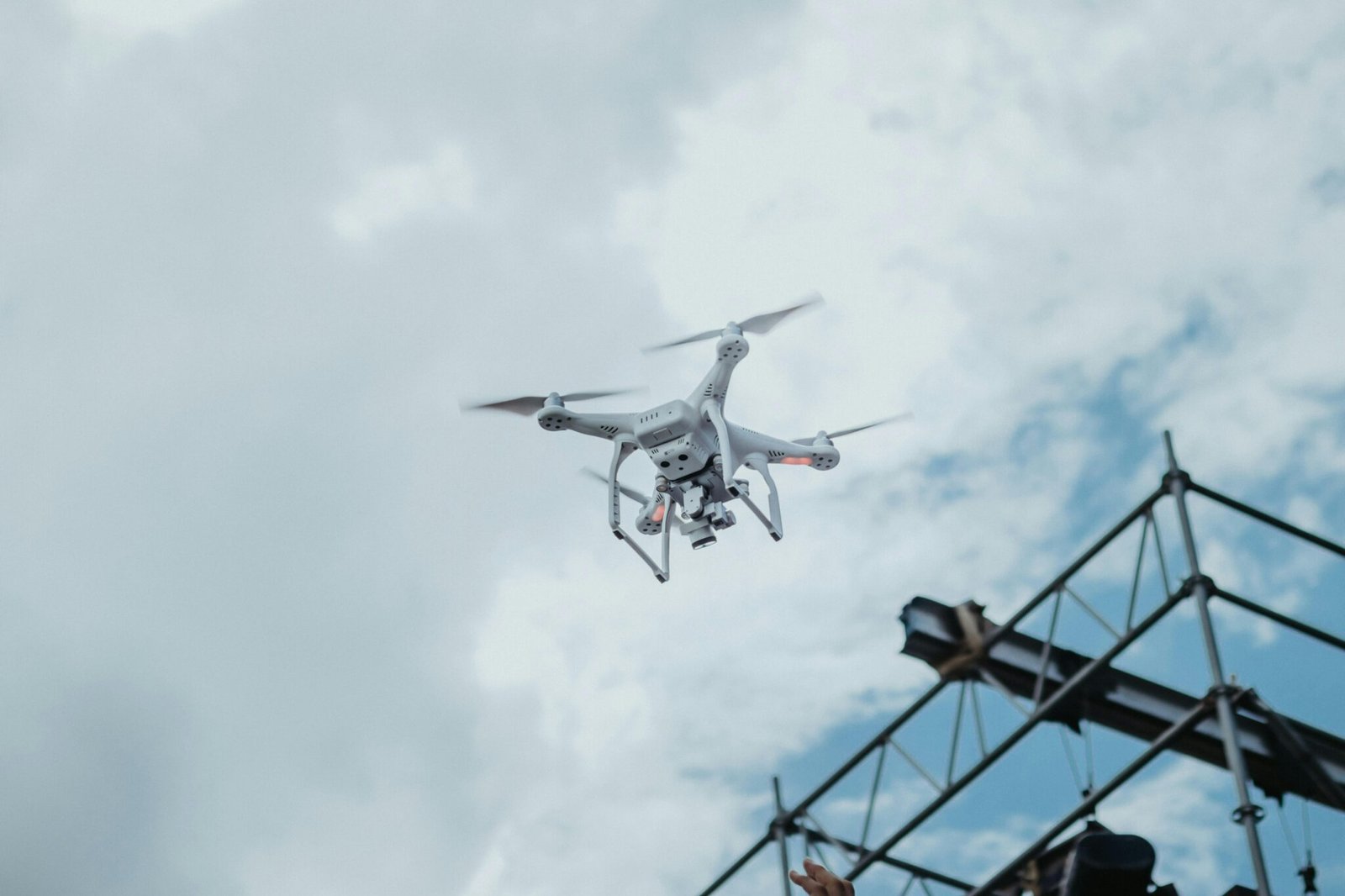




Danish Drone Ban Tightens Airspace Ahead of EU Summits
Denmark has ordered a week-long ban on civil drones as EU leaders prepare for informal summits, after a third wave of drone sightings near sensitive military sites.
Drones were spotted over several sites on Sunday, including Denmark’s largest military base housing F-16 and F-35 jets and the headquarters of an army regiment. The ban runs from Monday through Friday, covering the lead up to the informal EU gathering on Wednesday and the European Political Community meeting.
Recent Trends
- EU summits push for a drone defense blueprint
- NATO strengthens air defense coordination
- EU member states accelerate anti-drone tech deployments
According to the Financial Times, the ban follows multiple incursions and underscores Denmark’s push to harden its airspace ahead of the EU summits.
Officials said the incidents included incursions near the country’s largest base and other sensitive sites, with Copenhagen airport briefly closed in the previous days. Denmark has welcomed offers of anti-drone technology from neighboring Sweden and Germany, while NATO has deployed additional air-defense assets to Copenhagen in the run-up to the events. The government framed the measure as a necessary precaution while assessing threats to critical military infrastructure.
Security officials stress the drone activity differs from overt, visible incursions seen elsewhere, but warn the risk remains. Analysts view the move as part of Europe’s broader effort to deter potential aggressions and demonstrate resolve ahead of the EU and regional summits.
For drone operators and civil aviation, the ban signals how political tension can quickly reshape airspace rules. Regulators are increasingly prioritizing sensor networks, real-time data sharing, and stronger civil-military coordination to sustain safe flight operations during high-profile events.
The episode also highlights wider regional dynamics. Denmark has been a quick adopter of new air-defense capabilities and has engaged with partners on anti-drone solutions. NATO has augmented its presence in the area, and the situation underscores how airspace security is becoming a central pillar of European defense posture as the continent navigates a more contested security environment.
Conclusion
Denmark’s week-long civil drone ban illustrates how European airspace security is tightening in parallel with political volatility. For operators, regulators, and defense planners, the incident reinforces the need for scalable anti-drone technologies, cross-border cooperation, and agile policy responses during major geopolitical events.

















