
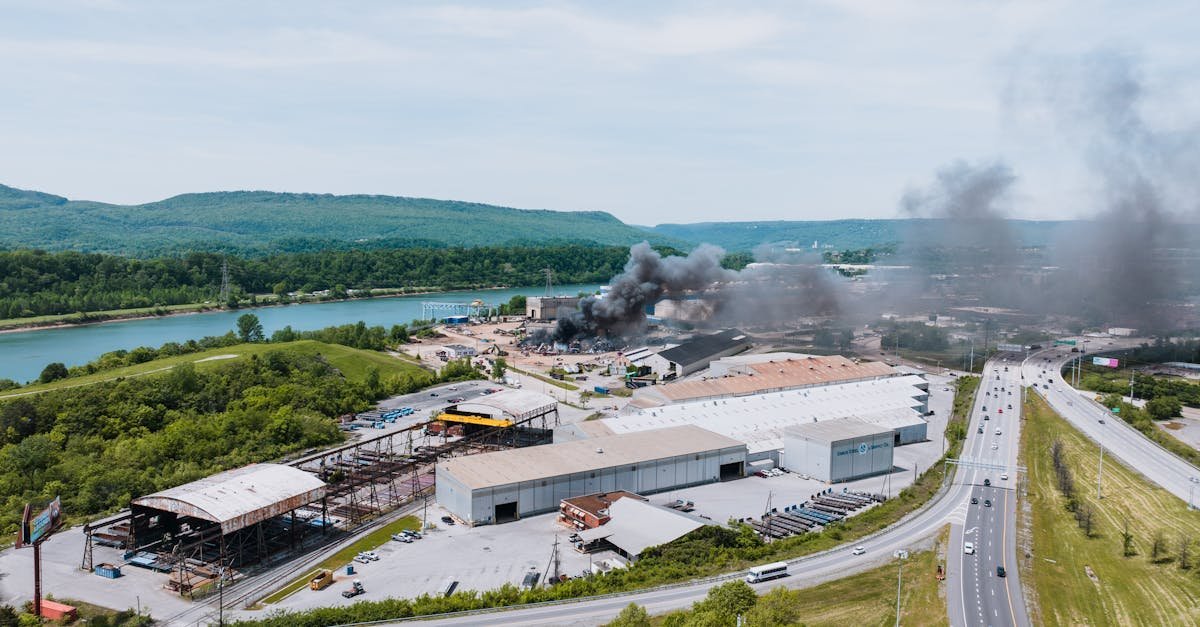




Rural Iceland stands to test a drone-based approach to emergency services as a two-year pilot seeks to shorten emergency response times across the North East region. The plan would station rural emergency drones at regional stations to reach scenes before police and rescue crews, delivering real-time imagery and messaging to reassure residents while help is on the way. The district spans more than 20,000 square kilometres, and in places like Þórshöfn the closest officers have previously faced hours-long journeys. If approved, the project could become a template for other sparsely populated regions grappling with delays and limited frontline coverage.
Recent Trends
- Rural public safety drones expand in emergency services
- Local councils funding for drone pilots in rural regions
- Real-time situational awareness reshapes emergency response times
What the plan would involve
The pilot would lay the groundwork for what could become a police drone program in the region, deploying rural emergency drones ahead of responders and providing live video and situational updates that help command staff coordinate activities and reassure residents. The drones could relay messages to bystanders about the arrival of help and directions to safety, expanding channels of communication at critical moments. The overarching aim is to shorten the time between an incident and the first on-site assessment, a metric that matters greatly in remote or weather-challenged environments.
Governance and funding
Funding decisions reveal a patchwork of local commitments. Akureyri, Dalvíkurbyggð, Þingeyjarsveit and Fjallabyggð have agreed to bankroll the two-year trial, while Norðurþing has paused, arguing that core police services should be state-provided rather than locally financed. The police district covers more than 20,000 square kilometres and includes five stations, with Akureyri the only location staffed around the clock. The experience will test whether local councils funding the effort can sustain a hybrid model that blends technology with traditional emergency response structures.
Operational scope and implications
Beyond assisting police work, the drones would support fire and ambulance call-outs, offering immediate aerial updates and signaling to responders where help is heading. Chief Superintendent Bergur Jónsson describes the concept as enabling real-time visuals and proactive messages about help being en route. The plan hinges on reliable rural connectivity and airspace coordination, factors that Iceland continues to refine, particularly in weather-exposed, sparsely populated regions.
Policy and future outlook
For regional administrators and policymakers, the Icelandic pilot could inform broader strategies for rural resilience using public safety drones. It raises important questions about data handling, privacy, and the regulatory pathway for civilian drones in emergency services, as well as how to scale a regional initiative into a national model. If the approach proves effective, it could influence similar efforts across Europe and beyond, demonstrating how technology can close gaps created by geography without sacrificing safety or accountability. For residents, the initiative promises faster situational awareness and visible public safety commitments even in remote corners of the country.
Conclusion
As Iceland weighs this approach, the core question is whether technology can meaningfully shrink response times while preserving privacy and reliability in a challenging landscape. The North East pilot offers more than a test of drones; it tests a pragmatic blueprint for rural emergency care that blends local funding, state oversight, and purpose-built technology. For the drone industry, Iceland’s experience offers practical lessons on scaling, governance, and the delicate balance between speed and safeguards in public safety deployments.

















