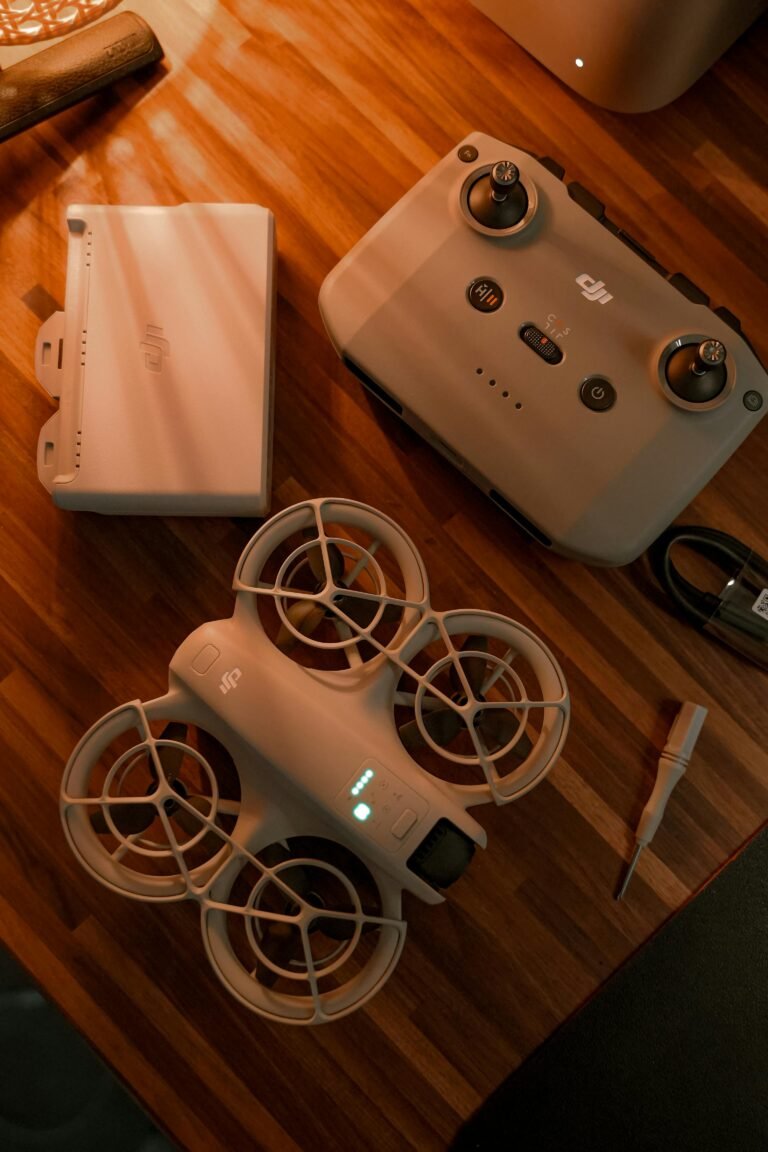




European drone defense: countering Russian drones and electronic warfare
Europe faces a widening threat from drones and electronic warfare capabilities wielded by Russia. In recent strategic reviews, defense leaders stress a need for layered, field-ready protections that can be deployed quickly and affordably. For defense planners, the message is clear: threats are evolving faster than traditional air defense models, and Europe must adapt with smarter systems and smarter buying. This is not about a single gadget but about an integrated approach that blends sensors, software, and selective countermeasures to protect critical assets across air, land, and cyber domains. The objective of the European drone defense strategy is to harden critical infrastructure, reduce reliance on any single vendor, and gain time to adapt.
Recent Trends
- EU accelerates layered defense combining sensors, AI, and countermeasures
- Startup-driven procurement aims to cut costs and speed to field
- Policy and funding challenges continue to shape defense industry dynamics
Why a layered defense approach matters
Russia’s drones range from small loitering munitions to larger platforms capable of swarming and evading early warnings. The electronic warfare component aims to jam or degrade communications and navigation, complicating command and control. Europe”s answer is to design a defense in depth: passive and active sensors, rapid data fusion, AI-enabled decision-making, and both kinetic and non-kinetic countermeasures. This multi-layered structure reduces dependency on a single technology or vendor, which has strategic value given the uncertainties in global supply chains. A robust European drone defense requires multi-domain coordination across the EU. For readers, the takeaway is simple: no single gadget solves every problem, but a well-integrated system can raise the cost and risk for any aggressor.
Key components of a modern defense envelope
- Detection and tracking: radar, EO/IR, and signals intelligence
- AI-enabled data fusion for faster decisions
- Interception options: RF jamming, spoofing counters, and interceptors
- Resilience: encrypted communications and hardened networks
Policy, funding, and procurement hurdles
European defense policy is progressing toward greater coordination, yet national preferences and procurement rules still create friction. A major challenge is aligning budgets, common standards, and dual-use rules to enable startups to scale. The EU”s latest investment programs aim to spur domestic defense tech, but complex rules and risk aversion in ministries slow the pace. For suppliers, faster procurement routes can determine who wins next-generation contracts, even when technology is compelling. The core message: capability must be paired with capability to buy and deploy.
Industry implications
- Open architectures and modular payloads can accelerate fielding
- Streamlined cross-border procurement reduces time to first units
- Domestic supply chains and talent development are critical for long-term resilience
What Europe should do next
To translate ambition into capability, policymakers should prioritize open safety standards, shared risk assessments, and a predictable funding cadence. Defense buyers can favor multi-vendor demonstrations, real-world trials, and standard interfaces to ensure interoperability. For the private sector, collaboration between startups, established defense primes, and academia will be essential to push hard but affordable solutions into the field. For readers, the trend is clear: Europe is rethinking what it means to defend space, air, and ground against a new generation of drone and EW threats.
Conclusion
Europe’s path to a robust defense against Russian drones and electronic warfare hinges on a layered, affordable approach that blends sensors, software, and modular countermeasures. The challenge is as much about procurement and policy as it is about technology. When buyers and builders align on standards, budgets, and timelines, Europe can turn reconnaissance and restrictions into resilience. The coming years will reveal whether open architectures and startup collaboration can outpace a dynamic, adaptive adversary.