
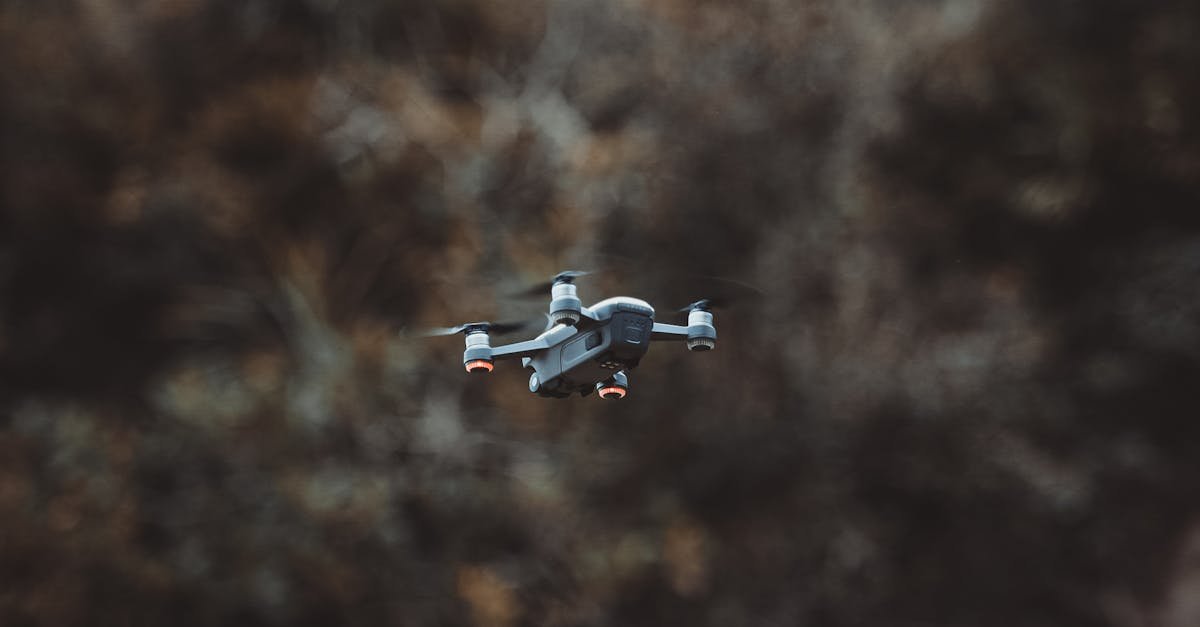




A wave of drone sightings near European airports and a string of cyber outages have exposed a stubborn fault line in modern air travel: the system now sits at the intersection of aerial operations and digital infrastructure. In the latest episodes, major airports faced disruptions linked to cyber events, while drone incursions in Copenhagen and Oslo prompted temporary suspensions and tighter security protocols. These episodes, though not unprecedented, underscore a persistent vulnerability that affects airlines, ground handlers, and regulators alike.
Recent Trends
- Rising drone activity near major airports is reshaping security protocols
- Airports are prioritizing counter-drone technology and cyber incident response
- Regulators push for remote ID and stronger cybersecurity measures
The incidents illuminate a broader dynamics problem: aviation relies on a delicate blend of physical security and digital systems. When a cyber outage hits, flight schedules can unravel in minutes, not hours, exposing how quickly information, permissions, and flight data must travel across networks. For aviation cyber resilience to evolve from theory to practice, operators must treat airspace security and cyber defense as a single, interdependent discipline rather than two separate silos. The goal is a cohesive barrier that detects risk, responds in real time, and sustains operations under pressure. In this sense, the current events are a stress test for an industry wrestling with how to harden both hardware and software against evolving threats.
For defense planners and airport operators, the message is unmistakable: aviation cyber resilience requires layered defenses. The obvious line is counter-drone technology that can disrupt unauthorized aerial activity without triggering collateral damage, but a parallel line demands robust cyber security protocols. Redundant communications, encrypted data channels, and rapid incident response playbooks can reduce the blast radius when a cyber outage coincides with a drone event. The synergy between physical security and cyber resilience is no longer optional; it is a necessity for safer and more reliable air travel.
Understanding the risk landscape
At the core is the growing interdependence between air traffic operations and digital infrastructure. Drones operating near airports can disrupt ground movements, sensor feeds, and runway inspections, while cyber outages can disable air traffic control systems, departure notifications, and maintenance-tracking databases. Aviation cyber resilience hinges on protecting both the skies and the servers that manage them. A robust framework must couple real-time threat intelligence with proactive countermeasures, so a detected drone does not cascade into a data breach or a lockout on critical flight data feeds. In practice, this means investing in secure network architectures, surge-capable data centers, and incident response drills that involve ground crews, technical teams, and regulatory bodies.
Policy and technology implications
Regulators are increasingly mandating measures that align with the need for aviation cyber resilience. Remote ID rules, enhanced surveillance of low-altitude airspace, and clearer guidelines for incident reporting are converging with cybersecurity standards that protect airport systems and supplier networks. Industry players must integrate counter-drone technology with cyber defenses, ensuring that jamming or spoofing actions do not create secondary risks or data exposures. The regulatory environment is moving toward requiring vendors and operators to demonstrate end-to-end security, from drones and ground stations to cloud-based analytics and backhaul links. In this context, the ongoing debate about who bears responsibility for security incidents becomes less abstract and more about practical, enforceable standards.
Paths forward for the industry
Organizations across the aviation ecosystem should view the current events as a catalyst for concrete improvements in operations. Steps include hardening networks against intrusions, deploying multi-layered authentication for flight data systems, and investing in counter-drone solutions that integrate with cybersecurity monitoring. For aviation cyber resilience, success depends on cross-functional collaboration: IT teams, security professionals, drone manufacturers, and air traffic authorities must align on joint protocols, shared threat intelligence, and coordinated response playbooks. The emphasis should be on resilience by design: systems that degrade gracefully under attack and recover quickly when disruption occurs.
Ultimately, the industry must translate lessons from these incidents into practical improvements for day-to-day operations. That means periodic red-teaming exercises, transparent incident post-mortems, and clear, enforceable standards for supply chain security. The tragedy of a connected ecosystem is that a single vulnerability can ripple across the entire network; the antidote is a holistic approach that strengthens people, processes, and technology in lockstep. Aviation cyber resilience is not a cosmetic upgrade; it is a fundamental upgrade to how the industry operates in an increasingly uncertain threat landscape.
For readers outside the aviation sector, the takeaway is that security in highly automated, networked environments is a shared challenge. The lessons learned here apply to any domain where drones, cyber systems, and critical infrastructure intersect. In aviation, the stakes are higher because the consequences of disruption touch millions of travelers and a complex supply chain that spans the globe. The industry’s ability to balance openness with security will define its competitiveness in the coming years. And the broader message for operators everywhere is clear: prioritize resilience before the next incident, or risk a repeat that could redefine public trust in air travel.

















