
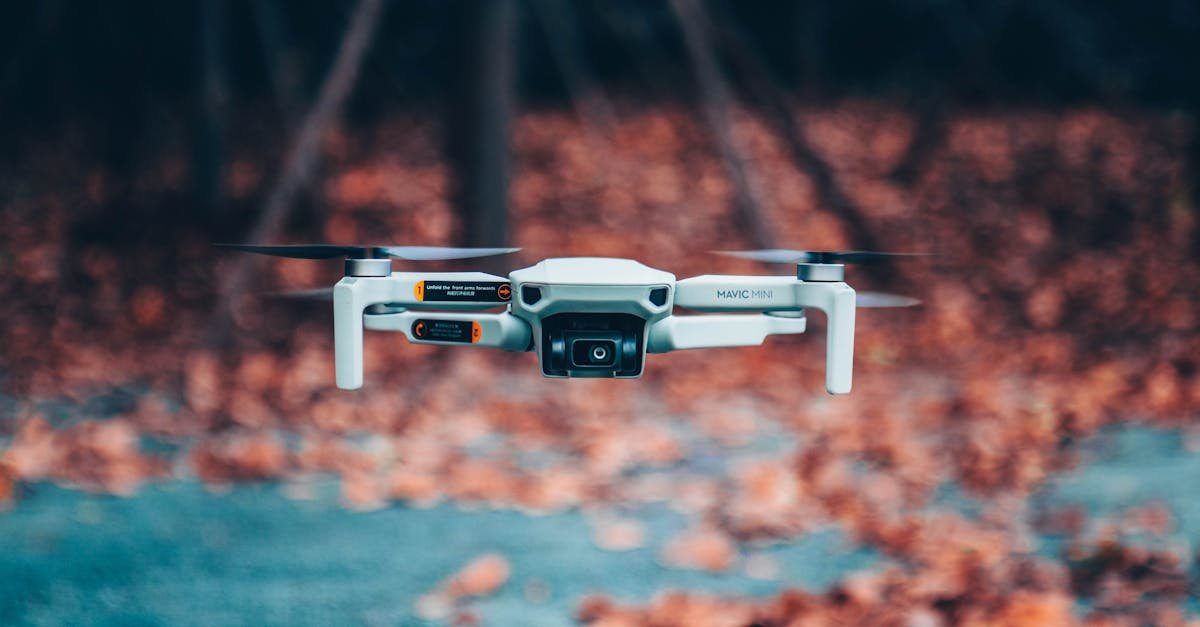




Autonomous Drones Reshape Warfare Ethics
Across the modern battlefield, machines that think and act with minimal human input are no longer a speculative future. Autonomous drones, once a niche capability, are moving toward routine deployments in testing, training, and real-world missions. The discourse around these systems has shifted from prototypes to policy questions about control, accountability, and escalation. For defense planners, the message was unmistakable: autonomy is expanding the frontiers of speed and decision-making in combat.
Recent Trends
- Rising autonomous air platforms in prototype and limited deployment
- Policy debates on lethal autonomy and human oversight
- AI-enabled swarms changing reconnaissance and strike dynamics
Accelerating autonomy reshapes the battlefield
Industry and military leaders describe a trajectory where drones operate with greater onboard intelligence, linking sensors with real-time decision-making. Edge computing and onboard AI reduce latency, enabling faster target assessment, threat tracking, and route optimization without waiting for a central headquarters. The result is a more responsive, but also more unpredictable, combat environment that tests existing command-and-control norms.
Reports of stealthy platforms such as Lockheed Martin’s Skunk Works Vectis, a high-performance autonomous drone, illustrate the push toward systems that can act with limited human input. The Vectis example signals a broader move: crowds of compact, autonomous munitions that can be deployed in tight formation or deployed individually to overwhelm a networked defense. For readers, the takeaway is not hype but a signal: autonomy is becoming a main line of capability rather than a side project.
Lesson from the field: trust, verification, and redundancy
As autonomy increases, the importance of robust testing, fail-safes, and human-in-the-loop controls remains central. Modern drones rely on a layered approach to safety: tamper-resilient software, secure communications, and clear fallback modes if sensors misread or the link is disrupted. A practical take for operators is to prioritize redundancy in sensors and decision pathways, ensuring that a single point of failure does not cascade into a miscalculated strike or a drone loss.
Ethics, law, and governance in a fast-moving domain
Autonomous weapons raise thorny questions about law of armed conflict, accountability, and escalation management. If planes or swarms can identify and engage targets with minimal human input, who bears responsibility for the outcome—the programmer, the operator, or the commander who authorized the mission? International forums wrestle with norms around permissible autonomy and the thresholds for lethal action. For policymakers, the task is to build governance mechanisms that keep pace with technical progress without stifling innovation.
Policy implications for NATO, allies, and export controls
Allied nations are racing to establish common standards for autonomy in warfare, while export controls seek to curb untrusted AI capabilities from proliferating. The risk is an arms race if governance lags behind capability. In civilian contexts, this tension mirrors debates around autonomous systems in aviation, emergency response, and border security, giving civil operators a useful frame for understanding the complexity of military autonomy.
Industry and practical implications
Defense primes, system integrators, and AI vendors find themselves navigating a crowded landscape of requirements: secure communication, resilience to cyber intrusions, and interoperable data standards. For operators, the directive is clear: embed human oversight where required, and insist on transparent testing and auditing of autonomous behaviors. The market is evolving toward modular, upgradable airframes paired with adaptable software that can be updated in flight as new threat data arrives. This dynamic creates opportunities for collaboration with academia and national labs to accelerate responsible innovation.
What this means for users and operators
- Maintain appropriate human oversight in mission-critical tasks
- Demand rigorous safety and ethics reviews during procurement
- Invest in cyber-resilient communications and data governance
- Prioritize modular architectures to adapt to evolving threats
Conclusion
Autonomy is no longer a niche capability; it is a central axis of modernization. The challenge for the industry, the user community, and policymakers is to harness the speed and precision of intelligent drones while preserving accountability, safety, and strategic stability. The coming years will test new governance models, supplier ecosystems, and the resilience of command structures as unmanned systems move from support roles to decisive components in future battle networks.

















