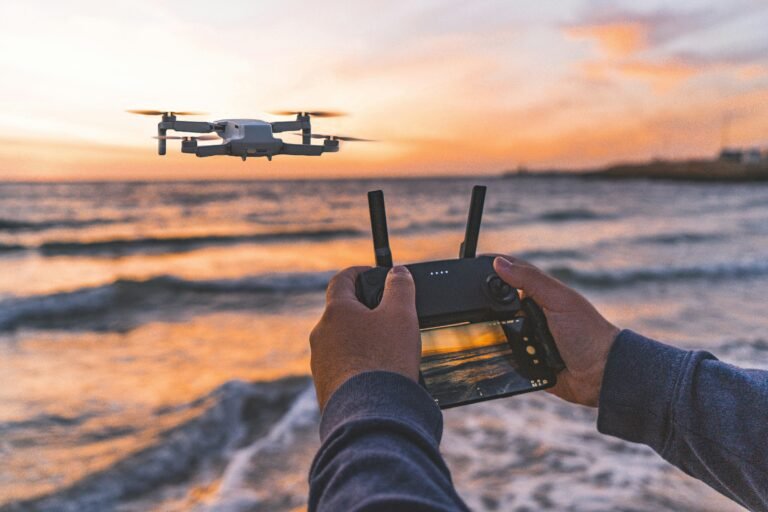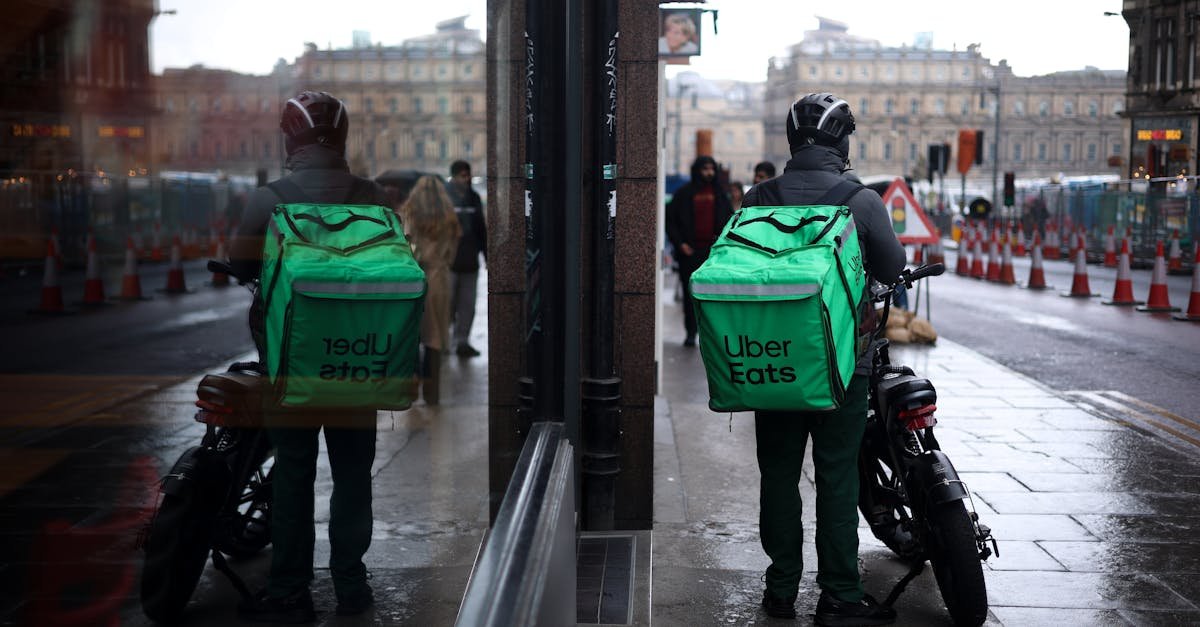
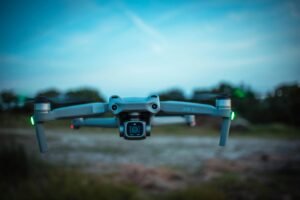



In a move that signals a maturing niche, Uber is re-entering airborne last-mile logistics by teaming with Flytrex to pilot drone deliveries of Uber Eats orders in select U.S. markets before year end 2025. Unlike the bumpy, regulatory-challenged push of 2019, this effort leans on Flytrex’s FAA approvals and a track record of suburban drops, a combination that aims to translate speed into scale.
Recent Trends
- FAA BVLOS approvals expanding for commercial drones
- Suburban drone drops become a testing ground for last-mile logistics
- Delivery networks increasingly blend ground and air modalities
Flytrex has completed more than 200,000 suburban deliveries across states like North Carolina and Texas, a statistic Uber will lean on as it expands beyond pilot programs. The platforms are designed for lighter payloads—around 3 kilograms—and rapid routes that can bring orders to doorsteps in minutes. For readers, that combination can be framed as a practical test of whether air lanes can complement the existing delivery fleet without adding costly complexity.
From a regulatory perspective, Uber’s partnership relies on progress in the U.S. Federal Aviation Administration (FAA) framework for Beyond Visual Line of Sight (BVLOS) operations, a key gate to broader commercial use. The agency has started granting BVLOS approvals to a limited group of operators, signaling a shift toward scalable air logistics. This shift matters because it reduces the time and risk for companies attempting to blend air and ground delivery networks.
Historically, Uber’s 2019 Elevate project faced regulatory headwinds and a strategic pivot. The current approach reuses a partner with proven operating experience and an FAA track record, a contrast to the solo experiments of the past. The result could be a faster path to reliable drone deliveries within existing delivery ecosystems, a development that matters for both consumers and the broader logistics market.
What this means for Uber Eats and customers
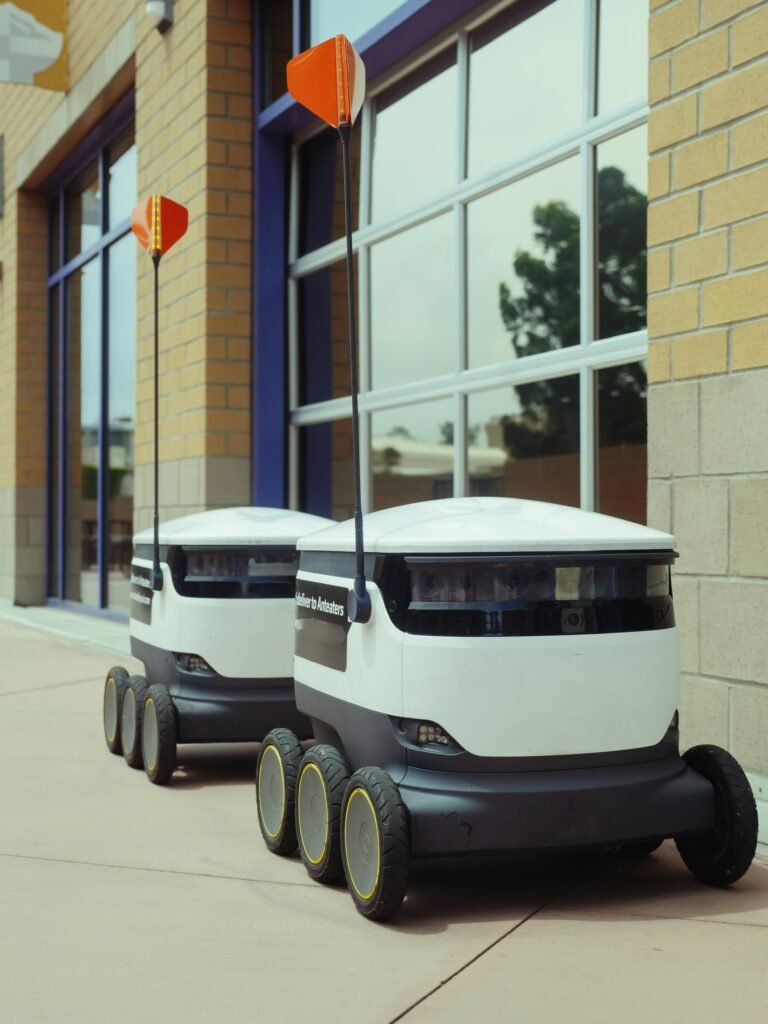
The drones are built for smaller orders, not full meal kits, and would target ancillary items or small food orders that can maintain the quality of the experience. The tests will feed into Uber’s broader last-mile strategy, in which cars, bikes and on-foot couriers already form a dense delivery web. If successful, customers in test zones may enjoy quicker drop-offs and reduced congestion on roads, a compelling value proposition in dense urban and suburban settings.
Beyond speed, the environmental argument remains central. Uber contends that air deliveries can reduce vehicle miles traveled and emissions in certain routes, though the net impact depends on energy mix and drone efficiency. The Flytrex platform supports a payload limit of roughly 3 kg, which aligns with many everyday grocery items, snacks and essentials that can be delivered in minutes rather than hours.
Regulatory and market implications
For the market, a successful pilot would encourage other players such as Amazon, Walmart and DoorDash to continue testing their own air delivery concepts. It would also push regulators and cities to refine BVLOS rules and operational standards, creating a more predictable path for private operators. For tech suppliers, the collaboration highlights the importance of turnkey operations, robust safety cases and real-world delivery experience as prerequisites for scaling.
From a consumer standpoint, availability will depend on weather, demand and local permissions. The test zones are likely to be limited initially, with pricing differing from traditional deliveries as companies refine the service economics. As Uber and Flytrex collect data on flight times, failure rates and end-to-end reliability, the industry will gain a clearer view of how air and ground networks can be stitched together at scale.
Conclusion
Uber’s renewed drone delivery push with Flytrex signals a more pragmatic, regulatory-aligned path for air logistics that could alter last-mile economics if successful. The core message for industry players is that the air layer is edging closer to mainstream, but only through reliable partners, clear BVLOS permissions and careful integration with existing delivery networks. As markets watch the rollout, the coming quarters will reveal whether air deliveries become a common feature or remain a niche pilot. For logistics planners and policymakers alike, the lesson is simple: pilot, prove, scale.